

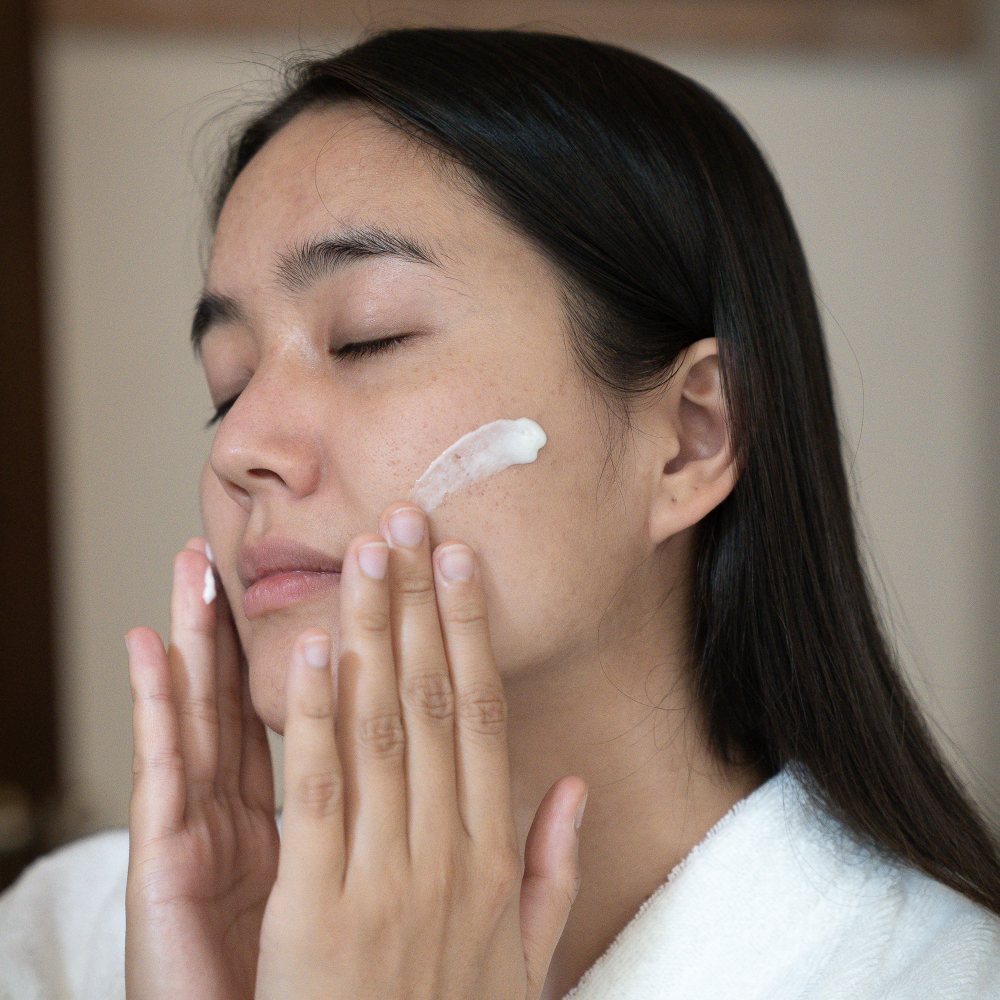
Tretinoin is one of the most well-known topical retinoids used for acne, uneven skin texture, pigmentation and visible signs of ageing. It can be incredibly effective for many people, but it can also leave the skin feeling dry, tight, flaky, sensitive or irritated — especially when first introduced.
If you are using tretinoin, your supporting skincare routine matters. The goal is not to overload your skin with more actives, but to keep your skin barrier hydrated, calm and resilient so you can minimise dryness, peeling and sensitivity.
What is tretinoin used for?
Tretinoin is commonly prescribed for acne-prone skin, congestion, rough texture, pigmentation, fine lines and signs of ageing. It works by encouraging faster skin cell turnover, which is why many people notice smoother, clearer-looking skin over time.
But faster turnover can also come with side effects. Tretinoin dryness, peeling, flaking, stinging and irritation are common signs that your skin barrier needs more support.
How to use tretinoin without overwhelming your skin
Most tretinoin routines work best when they are simple. Apply tretinoin as directed by your prescriber, usually at night, and avoid applying it too close to the eyes, lips and corners of the nose. Many people start slowly, using it only a few nights per week before building up.
A big mistake is trying to “push through” irritation. If your skin feels raw, hot, itchy, extremely dry or reactive, that is usually a sign your skin barrier needs support — not more exfoliation or stronger products.
Tretinoin and skin barrier repair: why it matters
Your skin barrier helps keep moisture in and irritants out. When the barrier becomes compromised, skin can feel dry, tight, rough, flaky, inflamed or more sensitive than usual.
This is why barrier repair skincare is so important when using tretinoin. A supportive routine can help reduce the feeling of dryness and irritation while keeping the skin more comfortable.
Learn more about our approach to barrier repair skincare and skincare for sensitive skin.
The best skincare routine for tretinoin users
If you are using tretinoin, think of your skincare routine in four simple layers: hydrate, repair, moisturise and seal.
Step 1: Hydrate with Botanical Mist
Tretinoin dryness can feel worse when the skin is dehydrated. Botanical Mist helps bring lightweight hydration back into the skin with humectants and soothing botanicals before applying your serum or moisturiser.
Step 2: Support with Barrier Repair Serum
Barrier Repair Serum is designed for dry, stressed and compromised skin barriers. This is the step to reach for when your skin feels tight, reactive, rough or easily irritated.
Step 3: Moisturise with Qi Creme
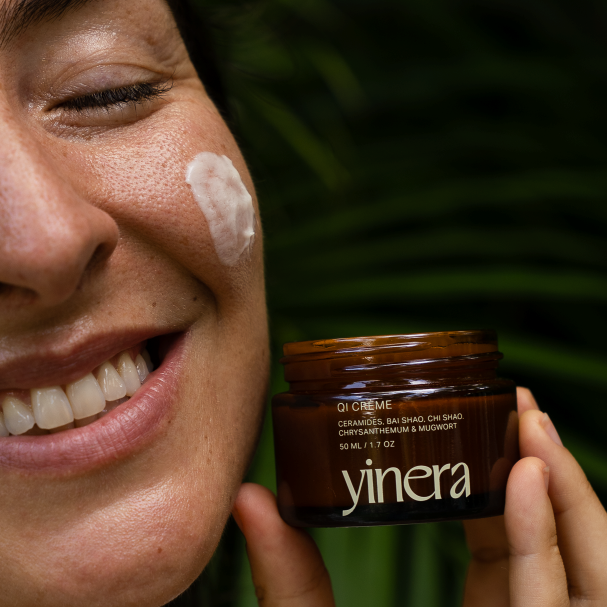
Qi Creme is a lightweight tallow moisturiser created for sensitive and reactive skin. It supports hydration and barrier comfort without the heaviness of a traditional balm.
Step 4: Seal with Tallow Butter Balm
This is the step many people miss. A balm does not hydrate the skin by itself, but when applied over hydrating layers, Tallow Butter Balm helps seal everything in and reduce moisture loss. This is especially helpful when tretinoin leaves the skin dry, flaky or tight.
Shop the tretinoin barrier support routine
A simple barrier-supportive routine for tretinoin dryness, peeling, sensitive skin and compromised skin barrier support.


Can you use tallow skincare with tretinoin?
Yes, tallow skincare can be a beautiful support for skin using tretinoin, especially when the formula is designed to be barrier-supportive and not overly heavy. Yinera’s approach combines tallow with hydration-focused ingredients, botanical extracts and lightweight textures to support sensitive, dry and compromised skin.
The key is layering correctly. Hydration comes first, then barrier repair, then moisturising, then sealing. Tallow Butter Balm works best as the final layer over hydrating skincare, rather than being used on dry skin alone.
Final thoughts
Tretinoin can be a powerful part of a skincare routine, but it asks more from your skin barrier. If your skin is dry, peeling, stinging or more sensitive than usual, simplify your routine and focus on barrier repair. Hydrate with Botanical Mist, support with Barrier Repair Serum, moisturise with Qi Creme and seal with Tallow Butter Balm.
FAQ: Tretinoin and barrier repair skincare
Can tretinoin damage my skin barrier?
Tretinoin can temporarily make the skin feel dry, irritated, flaky or more sensitive, especially when first introduced or used too often. This does not always mean permanent barrier damage, but it is a sign your skin may need more hydration and barrier support.
Should I moisturise before or after tretinoin?
Follow your prescriber’s advice. Some people apply moisturiser after tretinoin, while others use the “sandwich method” by applying moisturiser before and after to reduce irritation.
Can I use Barrier Repair Serum with tretinoin?
Yes, Barrier Repair Serum can be used in a tretinoin-supportive routine to help comfort dry, tight and compromised skin. If your skin is very reactive, use it on non-tretinoin nights or ask your prescriber how best to layer your routine.
Can I use Tallow Butter Balm over tretinoin?
Yes, a thin layer of Tallow Butter Balm can be used as the final step to seal in hydration and moisturiser. This is especially helpful if your skin feels dry, flaky or tight from tretinoin.
What should I avoid when using tretinoin?
Avoid over-exfoliating, using too many strong actives at once, applying tretinoin too frequently too soon, and skipping sun protection. If your skin becomes very irritated, pause and speak with your doctor or dermatologist.
Leave a comment
This site is protected by hCaptcha and the hCaptcha Privacy Policy and Terms of Service apply.