Tallow and honey are two beautiful traditional ingredients, but combining them into a balm is not as simple as stirring them together. Here’s why tallow honey balm needs proper formulation, preservation, and microbial safety to be truly skin supportive.
Why Tallow and Honey Are So Popular in Natural Skincare
The natural skincare world is full of excitement around traditional ingredients like grass-fed tallow and honey. Tallow is loved for its rich, skin-compatible lipids, while honey is known for its humectant properties and long history of use in wound care and skin rituals.
On the surface, a tallow and honey balm sounds like a dream: nourishing fats plus sticky hydration. But from a formulation perspective, this combination can become unstable and unsafe when it is made without emulsifiers, preservatives, and proper testing.
The Problem with Mixing Tallow and Honey
Tallow is oil-based. Honey is water-soluble and sugar-rich. These two ingredients do not naturally blend together into a stable product. Without the right formulation system, a tallow honey balm may separate, spoil, ferment, or become contaminated.
1. Wet-rendered tallow + honey can create microbial risk
Wet-rendered tallow may retain trace amounts of water, even when it looks firm and solid. Honey contains natural sugars. When moisture and sugar are combined inside a jarred balm, especially one stored in a warm bathroom, it can create an environment where bacteria, yeast, or mould may grow.
2. Without emulsifiers, the balm can separate
Honey and tallow do not naturally bind. Without a proper emulsifier, the product can split into layers: a fatty tallow layer and a sticky honey layer. This means every scoop may deliver a different concentration of ingredients, making the product inconsistent and unstable.
3. Honey attracts moisture from the air
Honey is a humectant, which means it can attract water. In a properly preserved formula, humectants can be useful. But in an unpreserved balm, moisture being drawn into the jar may increase the risk of spoilage over time.
4. Raw honey may contain natural yeasts and microbes
Raw honey can be beautiful as food, but cosmetic formulation is a different category. Natural yeasts and microbes that may be harmless in properly stored food can become problematic in a skincare product that is repeatedly opened, touched, and exposed to bathroom humidity.
A tallow and honey balm is not automatically unsafe, but it does need proper formulation. “Natural” does not remove the need for preservation, stability testing, and microbial safety.
Can a Tallow Honey Balm Ever Be Safe?
Yes, but not in the rustic kitchen-style way it is often presented online. A safe tallow honey balm requires more than good intentions. It needs formulation knowledge, ingredient compatibility, and testing.
A properly made tallow and honey skincare product should consider:
-
Dry-rendered or purified tallow to reduce unwanted moisture.
-
A proper emulsifier if water-soluble ingredients like honey are included.
-
A broad-spectrum preservative suitable for the formula type.
-
Correct pH testing where relevant to preservation.
-
Microbial testing for products intended for commercial sale.
-
Stability testing to make sure the formula does not split, ferment, or spoil.
Why We Formulate Tallow Skincare Differently
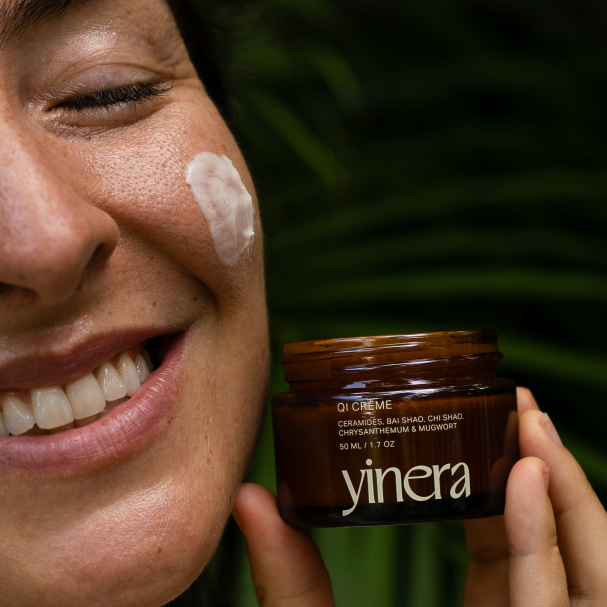
At Yinera, we love traditional ingredients, but we do not believe skincare should rely on trends alone. Our approach to tallow skincare is rooted in proper formulation, skin barrier support, and ingredient synergy.
Instead of simply mixing trendy ingredients into a jar, we create formulas that are designed to feel beautiful on the skin while supporting hydration, barrier repair, and daily skin comfort.
Supportive Tallow Skincare Alternatives
Final Thoughts: Be Careful with Tallow Honey Balm Trends
Tallow and honey are both beautiful ingredients, but they need to be respected from a formulation perspective. A tallow honey balm can be done safely, but only when emulsification, preservation, microbial safety and stability are properly considered.
When choosing natural skincare, look beyond the ingredient trend. Choose products that are formulated with safety, stability and skin barrier support in mind.
FAQ: Tallow Honey Balm Safety
Is tallow and honey balm safe for skin?
It can be safe if it has been properly formulated, preserved and tested. However, simply mixing tallow and honey together without emulsifiers or preservatives can create stability and microbial risks.
Why can tallow and honey balm grow bacteria?
Honey contains natural sugars and can attract moisture. If it is combined with wet-rendered tallow or exposed to humidity, the product may become more vulnerable to bacteria, yeast or mould growth if it is not properly preserved.
Does honey need a preservative in skincare?
In an anhydrous product, preservation depends on the whole formula and water activity. But when honey is used in a cosmetic product that contains or attracts water, a suitable broad-spectrum preservative is usually needed for safety.
Why do tallow and honey separate?
Tallow is oil-based and honey is water-soluble. Without a proper emulsifier, they do not naturally bind together, which can cause the balm to split into uneven layers.
What is a better alternative to DIY tallow honey balm?
A better option is to choose properly formulated tallow skincare that has been designed for stability, skin feel and barrier support, such as a lightweight tallow emulsion, hydrating serum, or balm used correctly over water-based hydration.
Build a Barrier-Supportive Tallow Routine
Hydrate first, repair your barrier, moisturise, then seal when your skin needs extra nourishment.
Explore Barrier Repair Skincare


Leave a comment
This site is protected by hCaptcha and the hCaptcha Privacy Policy and Terms of Service apply.